
 11
11
This one could change how 2027 elections are actually run.
2027 Elections: 5 Big Changes National Assembly May Make to Electoral Act
2026 is law-making year. And the Electoral Act 2022 is up for review.
Why? Because of what happened in 2023. INEC, parties, and Nigerians all said “we need to fix some things before 2027.”
Here are the 5 biggest amendments being debated right now:
2023 Issue: Results were uploaded late, causing trust issues
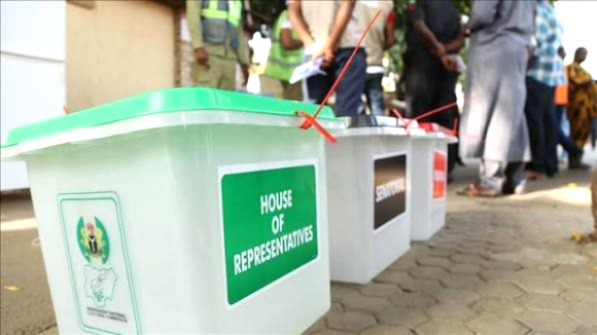
Proposed Change: Make electronic transmission on IReV mandatory not optional.
The Debate: Should BVAS/IReV failure cancel an election in that polling unit?
What it is: Allowing Nigerians abroad to vote in presidential elections
Status: Bill has passed 2nd reading in NASS
The Debate: Logistics, cost, and how to prevent fraud. INEC says it’s possible by 2027 if law passes in 2026
Why it matters: Millions of Nigerians abroad want to vote
Proposed Change: Move elections earlier in the year. Give INEC and courts more time
Reason: 2023 cases were still in court months after inauguration
New Plan: Presidential election in January instead of February
Proposed Changes:
2023 Issue: Last-minute candidate substitution caused chaos
Proposed Change: Lock candidate list 180 days before election. No more “placeholder” candidates
Also: Make party primaries more transparent
INEC Chairman: “Give us the law early in 2026 so we can prepare.”
They want clarity on IReV, timelines, and funding by Q3 2026.
Will NASS pass these before 2027 campaigns start?
If yes, 2027 will be the most tech-driven, strict election yet.
If no, we’ll use the same 2022 Act again.
Polls show Nigerians support:
Question: Which amendment do you support most?
1. IReV Mandate 2. Diaspora Voting 3. Tougher Penalties 4. Earlier Elections
Comment your number below 👇